

USA turned a 14-point deficit into gold by winning the possessions around the shots
France made more threes and took as many free throws, and still lost the World Cup final 97-79. The United States won the third quarter 30-12 on two-point shooting, offensive rebounds and three extra possessions.
By Hoopspire StaffDesk name · September 13, 2026 · 4 min read
For 16 minutes in Berlin, France had the United States in real trouble. The French scored the first 11 points of the second quarter to go up 31-17, with Gabby Williams running the offense and the threes going in. By the end of the night the Americans had won the FIBA Women's Basketball World Cup final 97-79, their fifth straight title and 12th overall.
The swing came in one quarter. The United States won the third 30-12. Add up the other three quarters and the teams are level at 67-67, so the whole 18-point margin sits inside those ten minutes. The harder question is why it happened, because France shot better from three for the game, 11 of 24 against 8 of 19, and took exactly as many free throws, 25 each.
How France built the lead
France led 20-17 after one quarter and then ran off 11 in a row. Williams had 16 of her 20 points by halftime. Dominique Malonga did the work inside and finished with 21 points on 8-of-12 shooting. With France hitting from outside, the American defense could not sag into the paint, and Malonga had room.
The United States cut it to two by the break. It scored 26 in the second quarter after 17 in the first, and Caitlin Clark's three at the buzzer made it 45-43. A 14-point lead had become a one-possession game in about a quarter of play.
The third quarter
The Americans were ahead 54-47 within the first few minutes of the half. Breanna Stewart scored early, and then Kahleah Copper and Jackie Young hit threes on consecutive trips for 58-51. By the end of the quarter it was 73-57. Clark's second three early in the fourth pushed the lead to 19, and France did not get back within reach.
Williams scored four points after halftime. Malonga kept scoring, but France went from 45 points in the first half to 12 in the third quarter, and no one else picked up the slack.
Where the 18 points came from
Start with shot volume. The United States took 64 field goals to France's 54 and had 12 offensive rebounds to France's six. Turnovers were close, 15 for the Americans and 16 for France.
We estimated possessions from the box score with the usual formula: field goal attempts, plus 0.44 times free throw attempts, minus offensive rebounds, plus turnovers. That gives the United States 78 possessions and France 75. Three possessions do not explain an 18-point result on their own. The other half of it is what each team did with the ball.
The four factors, all worked out from the final box score:
| Factor | USA | France |
|---|---|---|
| Effective FG% | 62.5% | 58.3% |
| Turnover rate | 16.7% | 19.8% |
| Offensive rebounds | 12 | 6 |
| Free throw rate | 39.1% | 46.3% |
France won the free throw rate, because it took the same 25 attempts on ten fewer shots. It lost every other factor. Still, the effective field goal gap is only about four points, so the three-point line is not where the game was lost. Inside the arc is.
The United States made 28 of 45 two-point shots, 62.2%. France made 15 of 30, exactly half. That is 13 more made twos, worth 26 points, against France's three extra threes, worth nine. The Americans won the final with layups, post-ups and putbacks, not a barrage from deep.
The offensive glass made it worse for France. Stewart had five of her 10 rebounds on the offensive end. Each one took a stop France had already earned and gave it back, and against an offense shooting 62% inside, a second look was expensive.
Stewart, Young and Clark
Stewart finished with 22 points and 10 rebounds on 7-of-10 shooting and 8 of 9 at the line, a performance rating of 30, and was named MVP of the tournament for the second time. None of her points came from three. In a game France was trying to turn into a shooting contest, she gave the Americans points that did not depend on it.
Young was the outside answer. She scored 18 with six rebounds and five assists and made four threes, which meant France could not load up on Stewart without leaving a shooter. Copper's threes in the third quarter did the same.
Clark played only 13 minutes and scored 12 on 4-of-5 shooting. Two of her shots mattered more than the total suggests: the three that made it 45-43 at halftime and the one that made it a 19-point game early in the fourth.
The Americans also moved the ball better, with 21 assists to France's 15, and had seven steals to France's five.
What France can take from it
The box score does not show which coverages France used or what the Americans changed on defense at halftime, and we will not guess. What it does show is that France was the better team for most of the first half and was beaten over one stretch, not for 40 minutes. Williams and Malonga combined for 41 points. France shot 45.8% from three and 64% at the line, against 42.1% and 68% for the United States.
France reached its first World Cup final and leaves with its first medal at the event. It lost to a team that took ten more shots, made 13 more twos and grabbed twice as many offensive rebounds. Those are gaps France can measure and work on.
Related: the Philippines played in the qualifying tournaments for this World Cup, and missed Naomi Panganiban when they got there.
Ads are turned off because you declined advertising cookies. You can change that in .
More from The Margin
The WNBA field is set. Almost nothing else is.
Eight teams are locked into the playoffs with games still to play, and three real seeding races, the No. 1 seed included, come down to this week's schedule.
Hoopspire StaffDesk name · Sep 21, 2026 · 3 min read
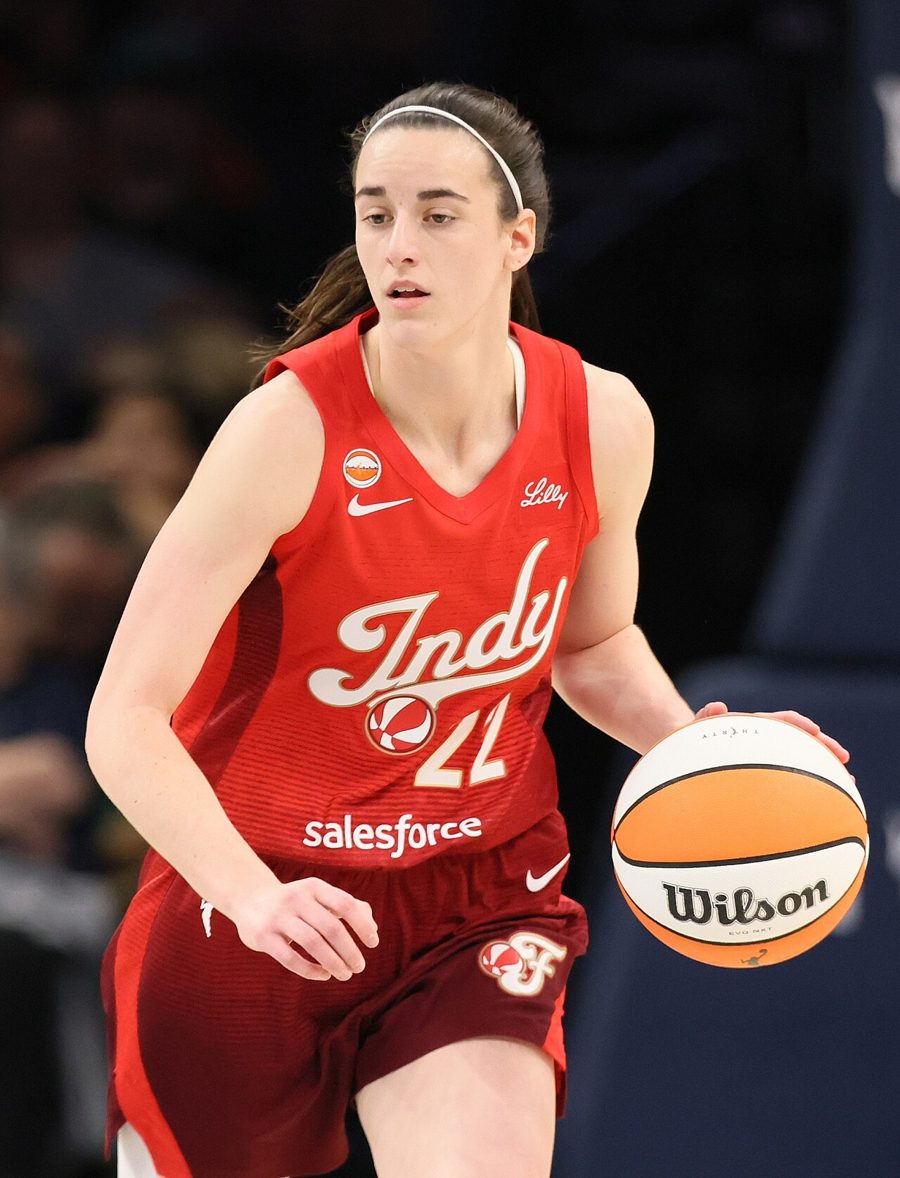
Caitlin Clark leads the WNBA in assists and in turnovers. The Fever still have its best offense.
Clark averages 8.5 assists and 4.6 turnovers a game, first in the league in both. Both come from carrying the second-heaviest possession load in the WNBA, and Indiana's offense is 3.0 points per 100 possessions clear of everyone else.
Hoopspire StaffDesk name · Sep 19, 2026 · 5 min read
Seattle outscored Indiana by 12 from the field and lost by 3
Indiana beat Seattle 110-107 on July 17 with 28 made free throws to Seattle's 13. Caitlin Clark alone attempted more free throws (19) than the Storm did as a team (18), and scored seven of Indiana's last eight points.
Hoopspire StaffDesk name · Sep 19, 2026 · 4 min read