

Naomi Panganiban settled her Gilas eligibility early. The Philippines' problem with her is March
The San Diego State guard was playing FIBA youth events for the Philippines before she turned 18, so she counts as a local. What kept her out of the World Cup qualifiers in March was a calendar that put them next to the college postseason.
- Player
- Naomi Panganiban
- National team
- Philippines
- Connection
- Through a parent
- FIBA status
- Counts as a local player
By Noor HaddadDesk name · October 18, 2026 · 5 min read
On 16 July 2025, with 8.3 seconds left in Shenzhen, Naomi Panganiban stepped to the free-throw line with the Philippines up 71-70 on Lebanon. She made both. The Philippines won 73-70, and that one win at the FIBA Women's Asia Cup put the country into the World Cup Qualifying Tournaments for the first time. She was the youngest player on the team and finished with 15 points.
Eight months later the qualifiers came, in France, and she was not there.
That is the story I want to tell about Panganiban, because it is not the story we usually tell about Filipino-heritage players abroad. Usually the question is the passport. With her, the passport question was answered years ago. The real question is the calendar.
The paperwork was done early
Panganiban was born and raised in San Diego. Her mother and her grandparents were born in the Philippines. That is her tie to the country.
FIBA's rules, in Book 3 of its Internal Regulations, set out who counts as a local. A player born outside the country needs a passport issued before their 18th birthday. Until December 2025 that age was 16. A player who gets the passport later can still play, but only as the team's one "restricted" player, the slot usually called the naturalised spot.
Panganiban was well inside that line. In June 2022 she played for the Philippines at the FIBA Under-16 Women's Asian Championship in Amman. To play in that event she needed a Philippine passport, and she was not yet 18. She was good there, too: 16 points, nine rebounds and three assists as the Philippines beat Lebanon 90-68 for third place in Division B, the second tier of Asian youth basketball.
So she is a local. Her place on the team does not take the restricted slot, which stays free for someone else. For a federation that has spent years chasing passports for players who missed the deadline, that is worth a lot.
Youth caps, then senior minutes
The youth record matters because it shows a pipeline that worked. In 2024 she led the Philippines in scoring, at 15 points a game, as they swept Division B of the FIBA U18 Women's Asia Cup in Shenzhen and won promotion to Division A. This month, the next group of Filipina teenagers used that promotion. They played Division A and won their first game there, 69-64 against New Zealand.
She made her senior debut at the 2024 William Jones Cup, an invitational tournament in Taiwan. At the 2025 Asia Cup she averaged 13.2 points, tied for the team lead. Coach Patrick Aquino said of the Lebanon win: "This win represents everything that we've been working hard for in the last 10 years or so."
At San Diego State she has kept growing. As a freshman she made the Mountain West All-Freshman team. Last season she was named All-Mountain West, led the Aztecs at 14.6 points a game, started all 33 games and made 64 threes at 39.3%. San Diego State went 19-1 in the conference and won the regular-season title.
She has said what the national team means to her. "It's just a different sense of pride that I carry every day," she said last November.
Then March happened
The World Cup Qualifying Tournament in Villeurbanne, near Lyon, ran from 11 to 17 March 2026. For American college teams, that is postseason time.
On 8 March, Panganiban scored 29 points in the Mountain West Tournament in Las Vegas, the most by an Aztec in that tournament. San Diego State, the top seed, still lost 83-76 to ninth-seeded Air Force. The Aztecs then waited for a postseason bid and opened the WBIT, the second national tournament for teams left out of the NCAA field, on 19 March. She scored 22 against UC Irvine in that game. Their season ended at Kansas on 26 March.
Strictly, San Diego State played no games during the seven days in France. But the team was waiting to learn where it would play next, and its first postseason game came two days after the last game in Villeurbanne. Few college coaches would send a leading scorer across the world that week, and I would not either.
Aquino explained her absence plainly: "First of all, Naomi is unavailable because she has a school competition."
Without her, the Philippines lost the opener to France 115-66 and won one game out of five. The win was a real one, 74-59 over Colombia, their first over a team from outside Asia, and it lifted them to No. 30 in the FIBA ranking. But they did not qualify for the World Cup, and they played their first World Cup qualifying tournament without the guard who had led their scoring in the win that got them there. In September the United States beat France for the title in Berlin. The Philippines watched.
What I would do
The federation cannot move FIBA's calendar. It can plan for it.
As long as FIBA puts women's qualifiers in March, they will run into the NCAA postseason, and the Philippines now has several US college players in its pool. So I would treat the summer as the window that counts for them. Build the Asia Cup and the Jones Cup around Panganiban and the college group. Plan every March event on the honest assumption that they will not be there, and use those games to give minutes to the players who will be.
That is not a complaint about her. An All-Mountain West guard belongs with her college team in March, and San Diego State needed her.
It is a complaint about how we talk about Fil-heritage players. We count passports. We should count available weeks. Panganiban has the passport, the youth caps and the senior minutes. She told the same interviewer she wants to be "an inspiration for younger kids, a lot of Filipinos, to get into playing Division I sports." If that works, more of the national team will live on the American calendar, not fewer.
Here is the line I expect some readers to argue with: the next Women's Asia Cup backcourt should be built around Naomi Panganiban, and anyone planning it as if she were a bonus has the order wrong.
Same calendar, other side of the world: Sweden needs Elliot Cadeau in November, and Michigan has him.
Ads are turned off because you declined advertising cookies. You can change that in .
More from Heritage Line
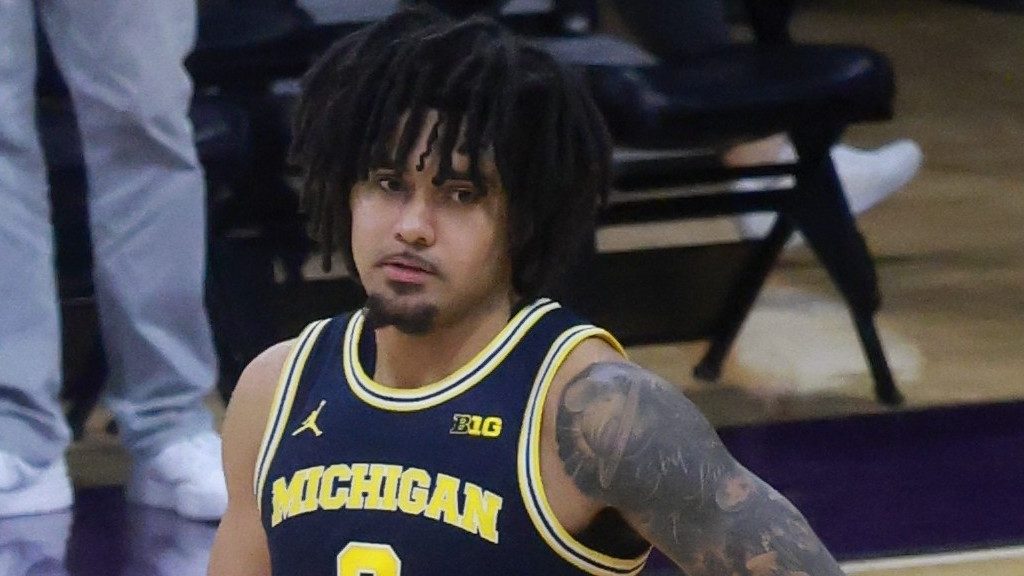
Sweden needs Elliot Cadeau in November. Michigan has him
The Michigan guard from New Jersey has played for Sweden since he was 15 and counts as a local under FIBA's rules. He started both July wins that kept Sweden's World Cup hopes alive. The last four qualifiers fall in the college season.
Noor HaddadDesk name · Oct 21, 2026 · 5 min read
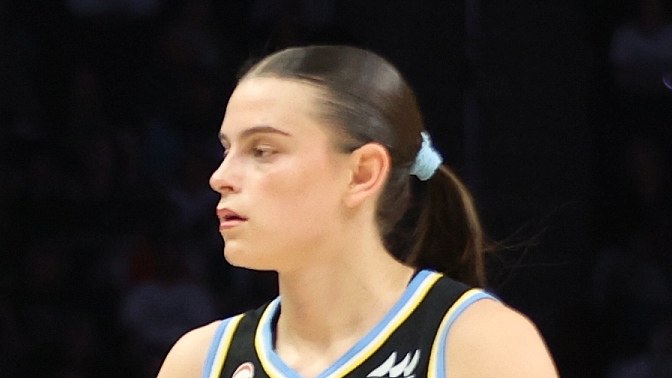
Gabriela Jaquez missed Mexico's summer. Mexico should save the big ask for 2028
The Chicago Sky rookie grew up in California and has played two FIBA events for Mexico. She was in the WNBA when Mexico reached two finals this summer, and next July's AmeriCup lands in the same season. The qualifying games that matter most come in early 2028, when the WNBA is off.
Victor AshbyDesk name · Oct 23, 2026 · 4 min read
Sumayah Sugapong was free for Gilas in March because Arizona lost early. The Philippines should not plan on that
The Arizona guard has played for the Philippines since an under-18 event in 2022, so she counts as a local. She made the World Cup qualifiers in France because her college season ended on 4 March. A better Arizona season would close that door.
Victor AshbyDesk name · Oct 21, 2026 · 4 min read